Some words don’t just inspire you. They shift you. These 6 Black women author quotes are the ones you’ll carry long after you finish reading.
» A safe space for Black women to heal, grow, and shine. Join Black Women Whatsapp Community ✨
There’s a certain kind of tired that settles in from reading things that almost get it.
Almost. You’ve collected enough quotes from pastel-toned Pinterest pages to wallpaper a room. Some of them were pretty. Most of them slid right off you. Because pretty and landing are two entirely different things, and you have always known the difference.
Then there are the other words. The ones written by women who understood something very specific about being alive in this skin, in this world, with this particular kind of interior life. Six of them are gathered here today. None of them came to perform.
She Is Not Waiting for the World to Catch Up
“She is the whole garden. Not just the bloom they always noticed first.”
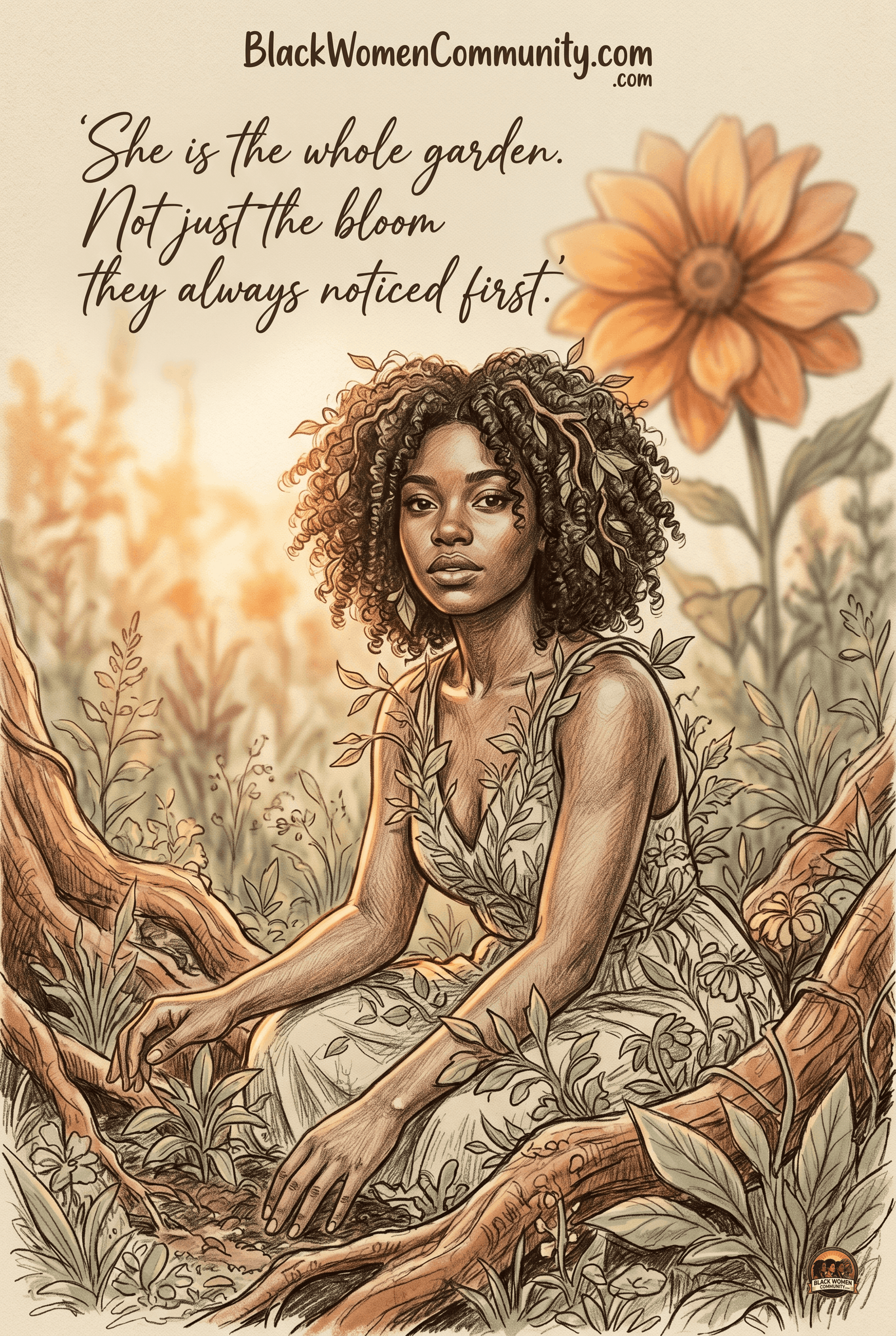
Toni Morrison spent her entire literary life writing women who were fully, inconveniently, magnificently themselves. Her belief that freedom’s deepest function is to turn around and free someone else gave readers something that most inspiration never reaches: the understanding that your liberation is not a personal project. It’s a gift that radiates outward.
What Morrison did, and what her writing keeps doing long after you close the book, is refuse to let her characters be reduced to the most legible version of themselves. She wrote women with contradictions. Women who wanted things they couldn’t always name. Women who deserved their own tenderness anyway.
When you find yourself editing yourself for a room, remember that Morrison wrote full people. And you are a full person. The parts of you that feel too large for certain spaces were never the problem.
Joy Is Not Something You Earn After the Hard Work
“There is something about a woman who has decided her joy is not a reward. She moves different. She arrives different. She is different.”
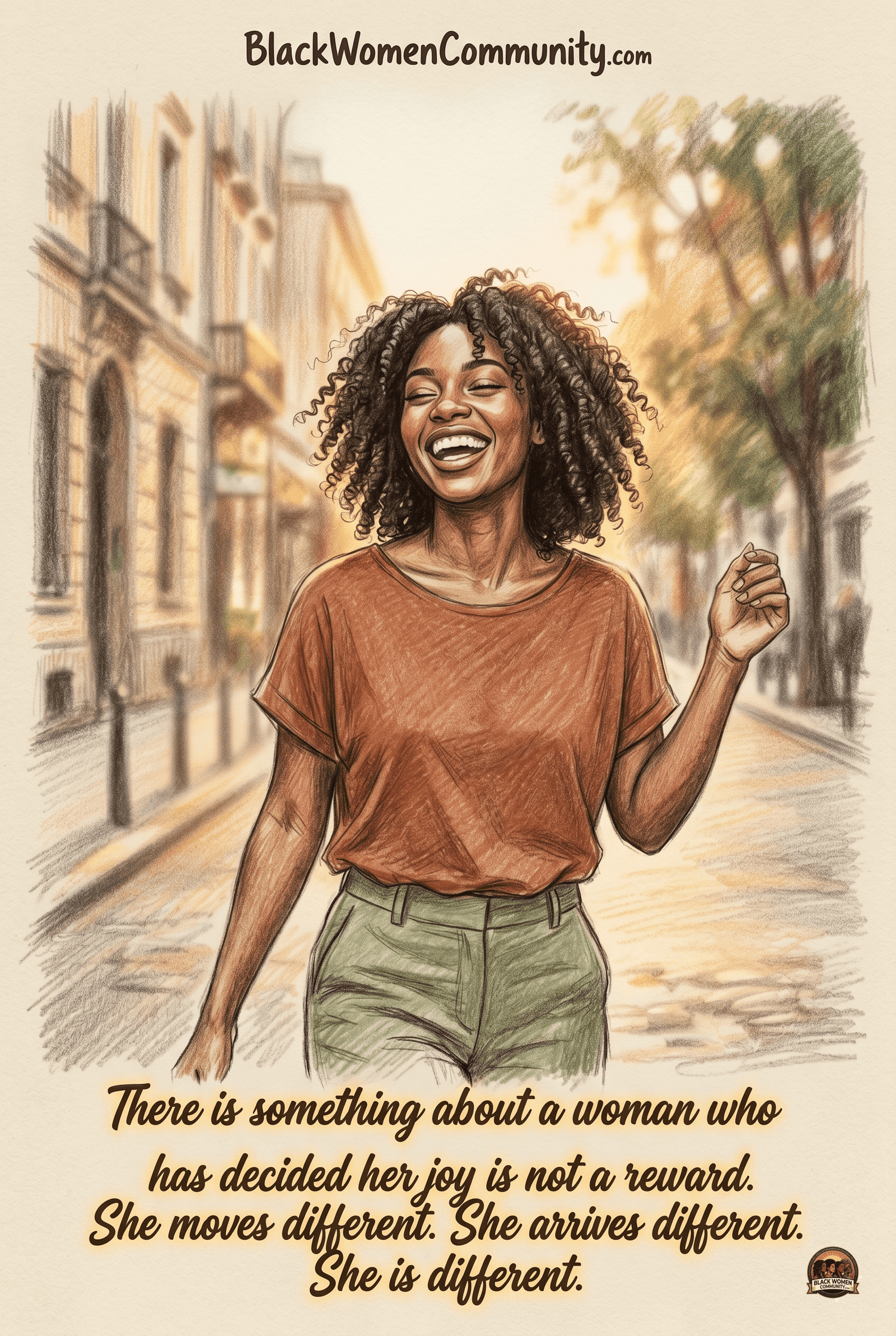
Zora Neale Hurston wrote about desire the way most people only feel it and never name. Her famous opening pages of Their Eyes Were Watching God describe the way some people spend their whole lives watching their own wishes sail away on the horizon, always just out of reach. She saw that. She named it. And then she refused it for herself.
What she was really saying is that waiting for permission to feel good about your life is a tax you were never supposed to pay. The way your laugh fills up a room. The way your shoulders drop when you’re truly comfortable somewhere. That is not extra. That is the point.
Joy, in the Hurston tradition, is not a season you arrive at after suffering enough. It is a decision you make in the morning, with your coils still wrapped and your tea still hot.
» Join Black Women Whatsapp Community ✨
Rest Is Not a Reward. It’s a Return.
“Rest is not something you earn. It is something you return to. Like breathing. Like home.”
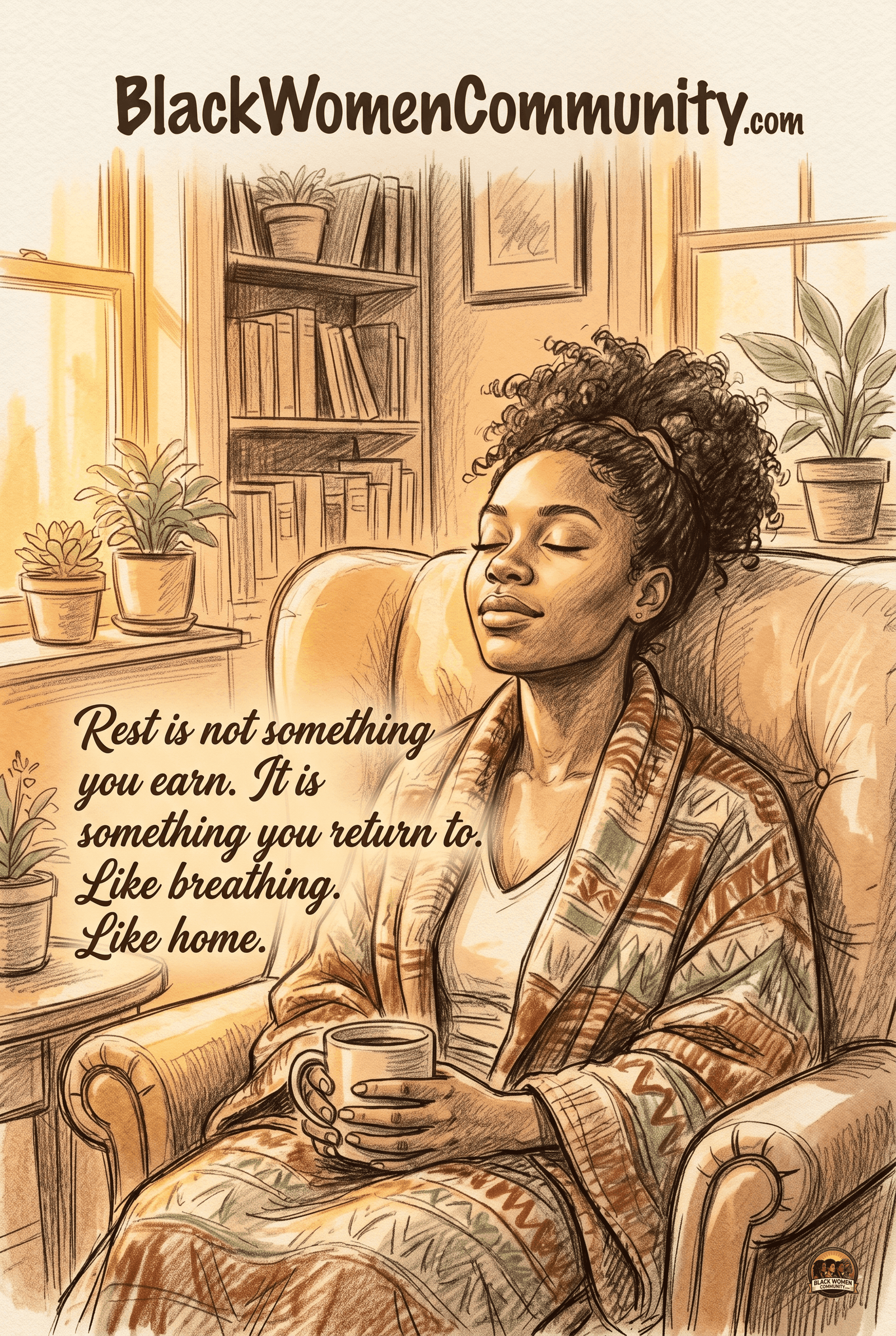
Sit with that for a second.
When She Walks In, Something in the Room Exhales
“Your melanin is not just beautiful. It is ancient. It holds memory. It glows like it has always known something the world is still catching up to.”
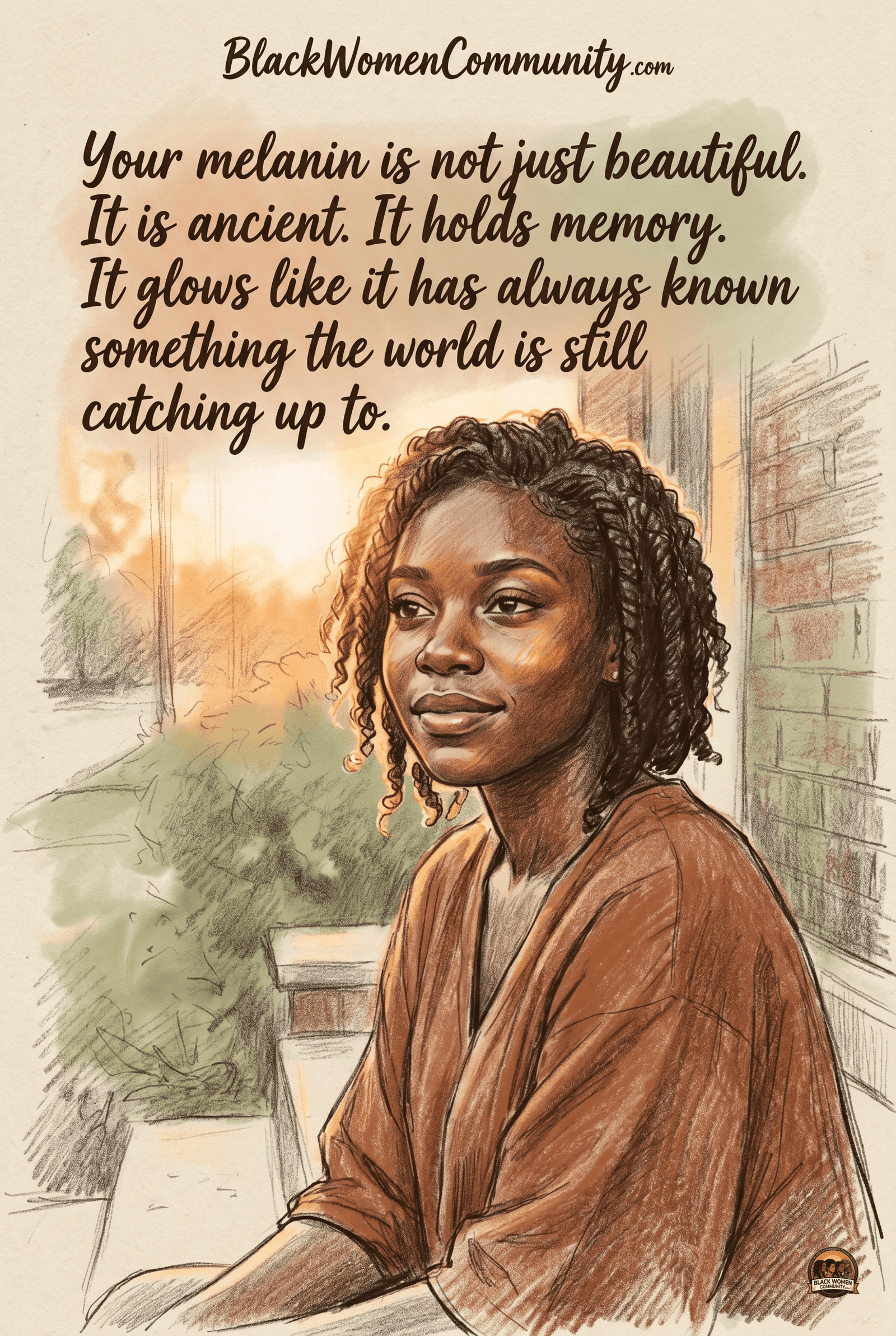
Maya Angelou wrote Phenomenal Woman and gave generations of women a way to describe something they had always felt but never had words for: the specific authority of a woman completely at home in herself. Not because she convinced herself. Not because she worked at it. Because she simply decided.
And then there’s the other Angelou truth. The one about people showing you who they are. That one rearranges things quietly. It asks you to account for how much energy you’ve spent writing better stories about people than the ones they handed you directly.
Her words carry warmth and precision at the same time. That combination is rarer than it sounds.
» Join Black Women Whatsapp Community ✨
Love That Actually Starts with You
“The most radical thing you can do for your future is decide that you are already worth loving. Right now. In this version. With this hair and this laugh and this whole, entire life.”
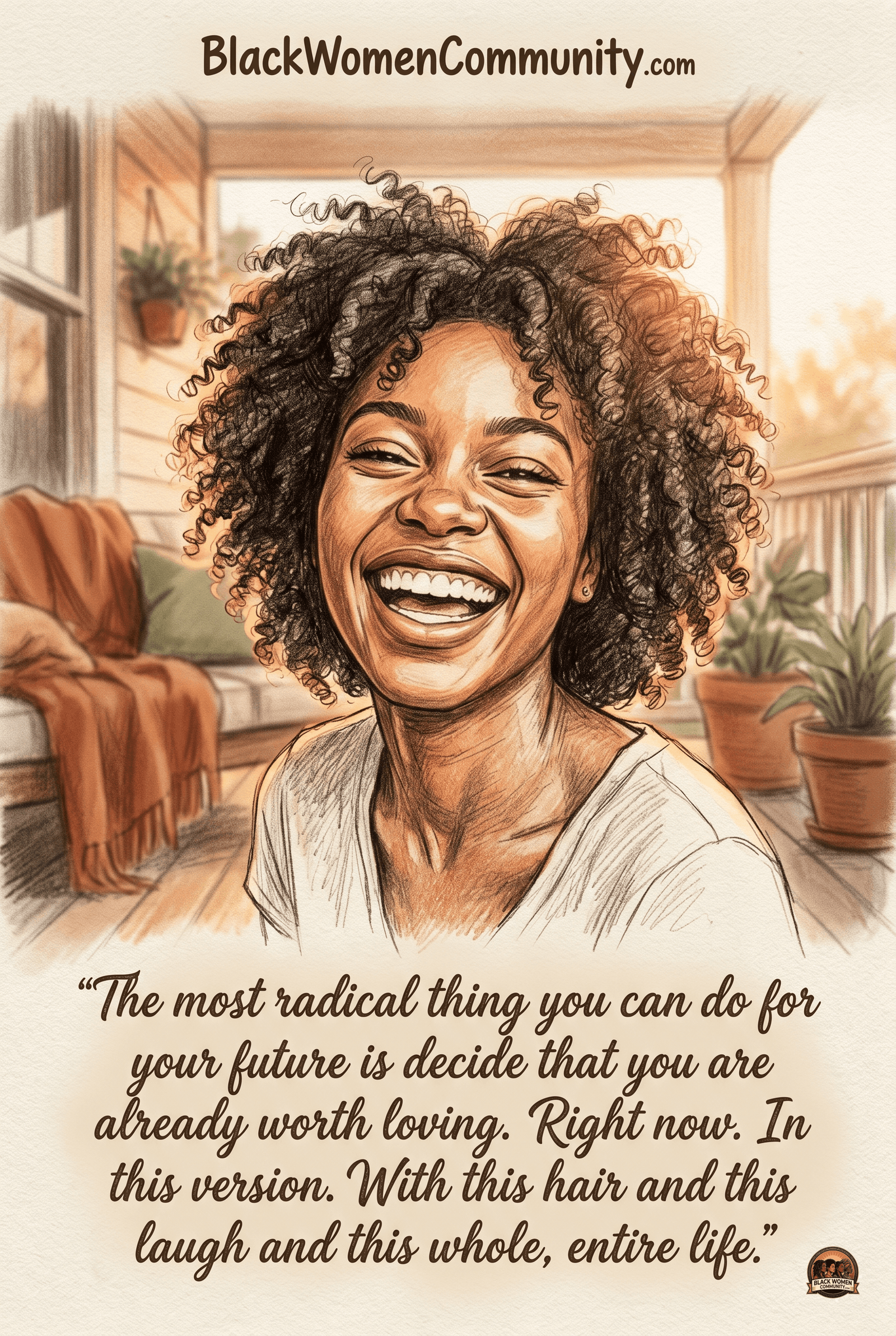
bell hooks spent her career asking people to think more carefully about what love actually is. Not the feeling. The practice. The daily choice to extend yourself toward someone’s growth, including your own. Her writing carved out room for a kind of self-love that has nothing to do with affirmations in the mirror and everything to do with the quality of attention you give yourself.
What she understood is that many women were taught to earn love through performance. Through being low-maintenance. Through softening the parts that made other people fidget. She called that audition, not love. And she spent decades saying you don’t have to keep auditioning.
Here is what bell hooks gave you that nothing else quite did: the ability to tell the difference between loving yourself and performing it for an audience. One changes the architecture of your interior life. The other just photographs well.
She Stopped Waiting for Someone to See What She Already Knew
“She stopped waiting for someone to see what she already knew about herself. That was the day everything changed.”
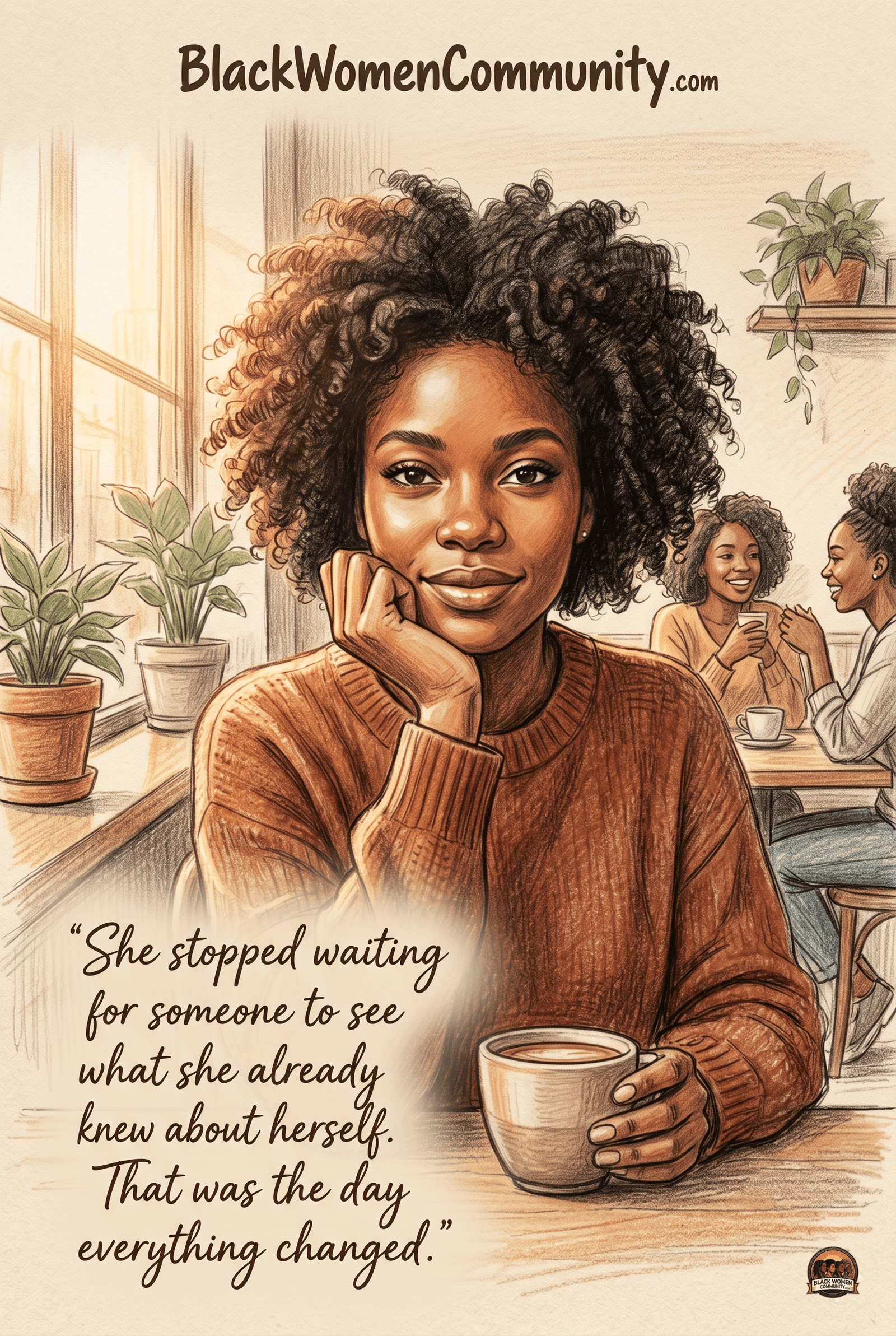
This one needs no explanation. You already know which version of yourself that’s about.
You Were Always Supposed to Imagine Bigger
“There are futures being written right now by women who decided their imagination was not a luxury. It is infrastructure. Dream accordingly.”
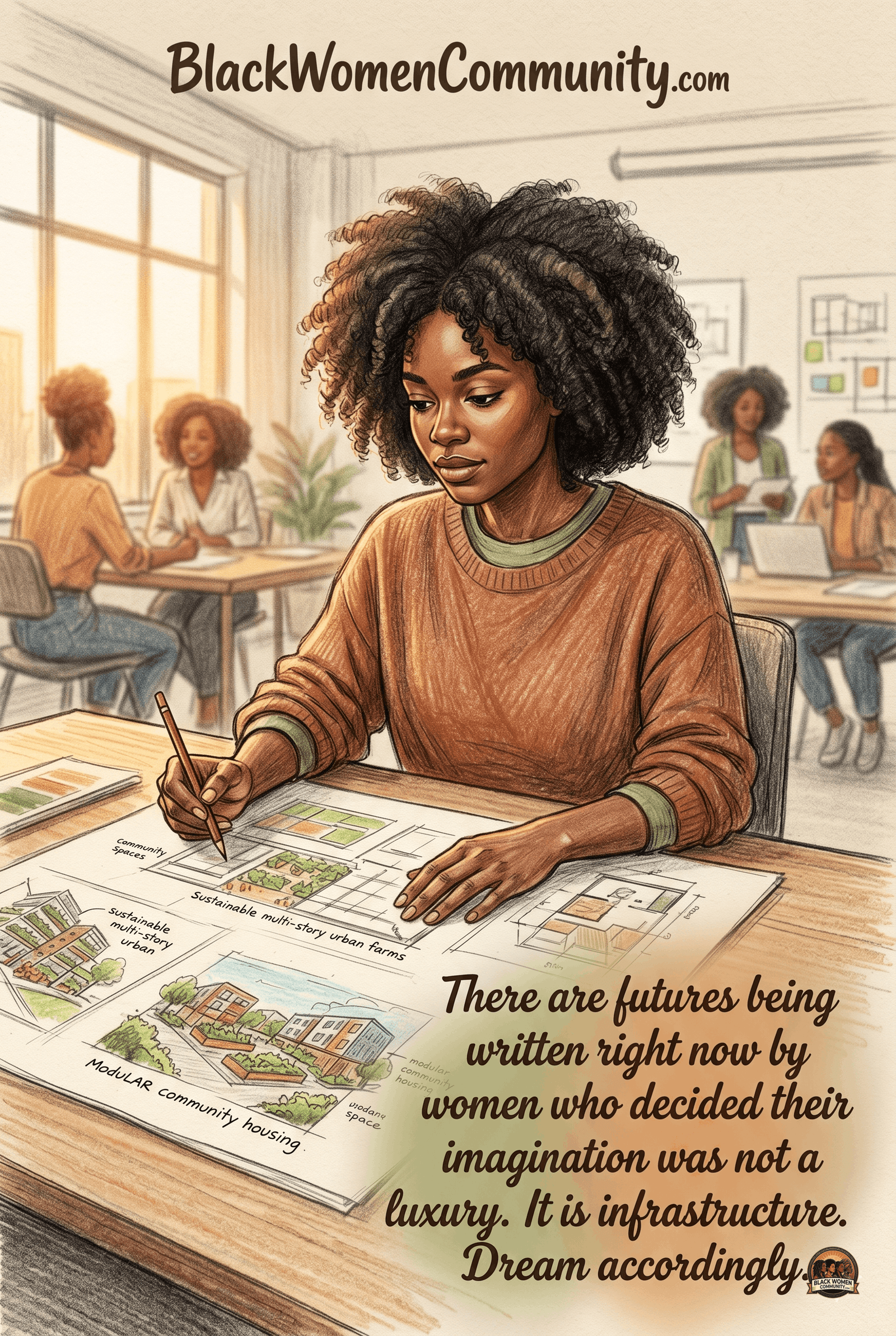
Octavia Butler imagined worlds that did not exist and then wrote them into such precise existence that readers wondered if she’d seen them somewhere. Her science fiction was never purely speculation. It was permission. Permission to place yourself inside futures that had not yet been built for you and then build them.
She wrote that even if nothing is completely new under the sun, there are still new suns. Your specific voice, your specific life, the particular way you process the world, creates something that has genuinely never existed before. Because you have never existed before. Not like this. Not now.
The women reading this right now, at midnight or with coffee going cold, contain futures. Butler’s work makes you feel the weight of that not as pressure but as wonder.
» Join Black Women Whatsapp Community ✨
One More Thing
These six women didn’t write to save you. They wrote because they had something true to say and they trusted that you could receive it.
That trust is its own kind of love. And maybe what shifts, after sitting with their words, isn’t just how you think. Maybe it’s how you hold your own thoughts afterward. With a little more room. A little more like they matter.
Because they do. Yours too.
» Join Black Women Whatsapp Community ✨
FAQs
Why do quotes from Black women authors feel different from general motivational quotes?
Because they weren’t written toward a general audience. When a Black woman author writes about desire, freedom, identity, or love, she is writing from inside a very specific experience. There is a cultural and emotional memory embedded in those sentences that you might not even be able to name, but something in you recognizes it immediately. That recognition is the shift.
Which of these six authors should I start with if I haven’t read any of them?
If you want to be held, start with Their Eyes Were Watching God by Zora Neale Hurston. It’s tender and alive. For something that will rearrange your thinking about love and self-worth, bell hooks’ All About Love is the one. And when you want a world that feels both urgent and possible, Octavia Butler’s Parable of the Sower is waiting for you.
How do I actually use a quote beyond saving it?
Write it at the top of a journal page and then respond to it. Let it ask you something. Or send it to a friend without context and see what she sends back. The best quotes from Black women authors have a way of starting conversations that never would have started otherwise.
What does it mean when a quote shifts your mindset rather than just inspiring you?
Inspiration lifts you briefly. A mindset shift moves something structural. It’s the difference between a window letting in light and someone removing a wall. After a real shift, you see things you couldn’t see before, or you stop seeing things that were never actually there. The quotes in this article tend to do the latter.
Are there younger Black women authors writing in this tradition right now?
The tradition is very much alive. Brit Bennett, Jesmyn Ward, Yaa Gyasi, and Morgan Jerkins are all writing the kind of sentences that make you stop mid-page. Imani Perry’s work bridges the personal and the political in a way that feels like a direct conversation. This lineage did not end with the women celebrated here. It kept going.
Why does rereading these quotes hit differently each time?
Because you are different each time you return to them. A quote from Audre Lorde that you read at 24 means something new at 34. Not because the words changed. Because you brought a different set of lived experiences to the same sentence. That’s the particular magic of writing that was made with real intention. It grows as you grow.